- Teacher: Marcy Latta
Category: Philosophy
Introductory
biology course for students accepted into the nursing program. The course
provides an introduction to cell biology, the fundamentals of Mendelian
and non-Mendelian inheritance, and the structure and function of the genetic
material DNA, with an emphasis on the genetic code and how it is expressed into
RNA and protein. The course concludes with an overview of the fields of epigenetics, cancer and stem cells.


Ecology
lab is aimed to accompany the Ecology course Bio235 and provide hands on
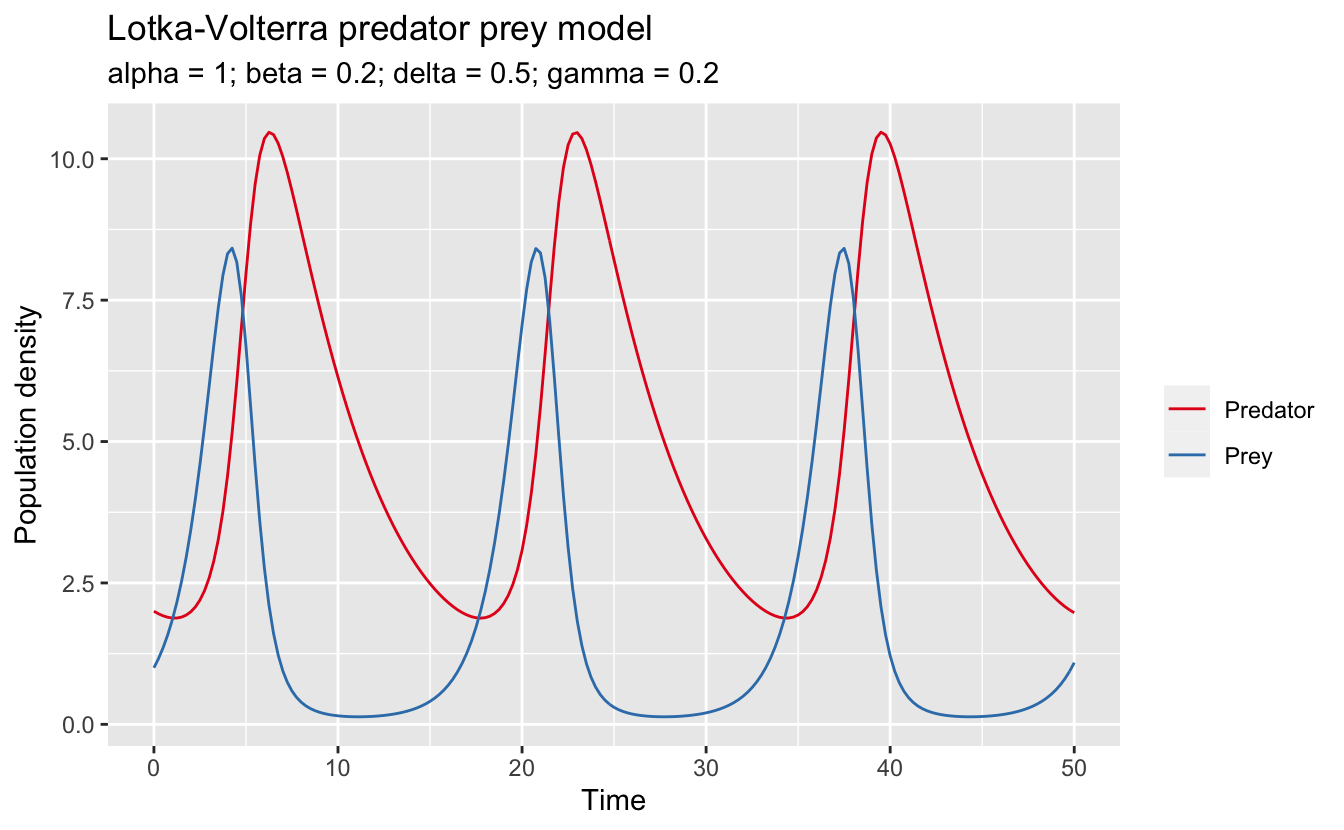
experience with ecological methods. Ecology is the study of the interaction of
organisms, populations and communities with each other and their environments.
This course will focus on the physical, chemical and biological processes that
determine the distribution and abundance of plants and animals. The course will
include the study of natural biomes, energy flow through food webs, adaptation
of species, population dynamics, nutrient cycling and ecological succession.

The purpose of this course is to explore the animal kingdom. The course is an introduction to systematics, anatomy, and physiology of major animal groups. The course provides insights of the basic concepts of zoology and diversity of major groups of invertebrate and vertebrate animals. Students learn general terms of anatomy, taxonomy and systematics; will understand the general principles that unite animal biology, appreciate the diversity found in the animal kingdom and understand the evolutionary relationships that explain this diversity, become familiar with the structure and function of vertebrate and invertebrate organ systems and appreciate some of the evolutionary changes that took place in the development of those organ systems.. We will also discuss evolutionary relationships among the different groups of animals. This course is accompanied by a lab course with hands-on activities focusing on selected taxa.


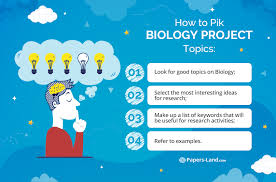
This is a one-credit seminar course for biology majors in the spring of their junior year.


Course description: This senior seminar course for BUS/ID majors occurs after the completion of the Senior Essay. There are two main purposes of this final capstone course:
1) The first purpose is to prepare students to enter their careers (or apply to graduate school).
2) The second purpose is to support students as they deliver a short presentation (PP) on the topic of their Senior Essay and prepare a pre-professional poster on the topic.
Linear Optimization
In this course you will study the principles, strategies, and techniques of effective written, oral, and digital business communication. This course focuses on writing clearly, concisely, and professionally. There is also a strong emphasis on proofreading, editing, grammar, and mechanics. You will learn to write clear, concise, and professional e-mails, memos, letters, reports, and proposals. You will also learn to give effective oral presentations, as well as learn to communicate clearly and professionally in a business environment. In addition, we will review effective techniques for business meetings and learn how to communicate sensitively with peers, managers, clients, and customers from diverse backgrounds.

Course description: Capstone course for Business Majors that builds on the work initiated during BUS 390, 493, and 494. This is a self-directed and self-paced course. Faculty input is limited to guidance and advice as you finalize your papers.
Instructor: Elizabeth Hollister Rogers, J.D.
Office Hours: TBD (and by appointment)
Email: elizabeth.rogers@brynathyn.edu
Place: DC 316
Time: Mondays 4:00–5:00
Course Description: Capstone course for Business Majors that builds on the work initiated during BUS 390, 493, and 494. This is a self-directed and self-paced course. Faculty input is limited to guidance, advice, and input as you finalize your papers.
Credit Hours: This is a two-credit-hour directed study course involving approximately 10 hours of class time and about 65 hours of time outside of class for a total of 75 hours in and out of class. This is a total of about 7.5 hours each week over the ten week term. In general, plan on spending about 6.5 hours of time outside of class for every hour in class.
Moodle/E-mail: All students in this course are expected to register for Moodle. Students are responsible for what is posted on Moodle. Students are expected to check their Bryn Athyn College email regularly (at least once daily).
In this course you will study the principles, strategies, and techniques of effective written, oral, and digital business communication.
Business Communications is a workplace-oriented course designed to help students develop and refine the written and oral skills necessary to communicate effectively in professional settings.Students will learn how to integrate modern tools such as LinkedIn and ChatGPT with traditional skills in business writing and presentations.
You will learn to write clear, concise, and professional e-mails, memos, letters, reports, and proposals. You will also learn to give effective oral presentations, as well as learn to communicate clearly and professionally in a business environment. In addition, we will review effective techniques for business meetings and interviews, and learn how to communicate sensitively with peers, managers, clients, and customers from diverse backgrounds.Capstone Literature Review


Course: COMM 225 Location: DC316
Instructor: Ryan Pine
Term: Spring 2024 Office: DC 304
Course description:
Communication 225: Professional Communication and PR for Contemporary Workplaces. Foundational communication and public relations (PR) skills, with focus on how a communications function operates within an organization. Exploration of the role of communications strategy. Opportunities to turn concepts into real-world work products. Attention to social and digital literacies, content creation and distribution, and cultural differences in global audiences. Prerequisite: Writing 202 or A-level work in Writing 101
Course goals:
· Understand and reproduce the theory, goals, and practice associated with technical communication
· Apply principles of design in production of written and visual content
· Understand and analyze audience, purpose and context
· Choose and evaluate appropriate genres, media, and other tools for each project
· Collaborate effectively in group activities
· Aim to solve practical problems
· Incorporate ethical, legal, and cultural considerations
· Utilize organizational patterns, conventions of the language, headings and lists, sentence and paragraph structure
· Identify and understand technical discourse and how it differs from academic discourses
· Invent content based on research and review, including written copy and graphics
· Apply concepts of audience expectation
· Communicate persuasively for decision making
Required texts:
None. All materials are OER (Open Educational Resources) and will be provided in PDF format on Moodle.
Please access this folder (One Drive) with your BAC account credentials:
Course Schedule:
Week: In-Class: Due Sunday:
|
1/2 W: 3/8
M: 3/13
W: 3/15
|
Reading due: Rhetorical Situation
Reading due: Business Correspondence (2)
Reading due: HeadingsSeriation Draft due: Usability Memo |
Due: 3/11: Choose document; submit proposal and planning memo
Due 3/18 Memo draft and peer review forms |
|
3
M: 3/20
W: 3/21
|
Reading: JobAppPack Job ad due in class for review Resume planning
Reading: Persuasive Writing, Demographics and Psychographics
Draft due: Resume |
Due 3/25 Usability memo final draft
Drafts + Peer review forms: resumes |
|
4
M: 3/27
W: 3/29
|
Reading due: Paragraphs, Organizational Patterns
Create LinkedIn Profile; plan for organization membership
Reading due: Grammar/Punctuation,
Draft due: Cover letters and memo |
Due: Peer review forms; cover letters
|
|
5
M: 4/3
W: 4/5
|
Read: Teamwork Essentials, Personality and Psychology Intro to Report
Read, Information Literacy Research, Annotated Bibliography
Identifying an issue, research questions
|
Due: Job Application Packet (Memo, CL and Res, Job Ad copy)
Research pitch for formal report due
|
|
6
M: 4/10
W: 4/12
|
NO CLASS
Read: Research Methodology
Due in class: Annotated Bibliography for feedback |
Due: Annotated Bibliography |
|
7
M: 4/17
W: 4/19
|
Read: Stakeholders, Figures and Tables
Peer review: report drafts
Read: Headings Seriation, Citing Sources |
Draft + Peer review form
|
|
8
M: 4/24
W: 4/26
|
Read: “Revision”, “Revision Simple”
Intro to Oral presentation Read Oral Presentations, Proposals |
Report Final draft due |
|
9
M: 5/1
W: 5/3
|
Read: Teamwork Essentials (review)
Draft peer review: presentations |
Presentation peer review and draft due |
|
10/11
M: 5/8
W: 5/10
M: 5/15
|
Read: Media Ethics, Social Media
Read: What is PR; Writing for PR Online draft for peer review
Showcase of student work Review of class content |
Due 5/13 Presentation final draft due
News release published online: peer review and draft due
Due 5/20: Internet project due |
Assignment weighting:
Usability Memo: 15%
Job Application Package: 20%
Formal Report and Annotated Bibliography: 20%
Presentation: 10%
News release 20%
Classwork/Drafts/Participation: 15%
Grading:
A+ not used B+ 87-89 C+ 77-79 D+ 67-69
A 93-100 B 83-86 C 73-76 D 63-66
A- 90-92 B- 80-82 C- 70-72 D- 60-62
Assignment Descriptions
Usability Memo:
The goal of this assignment is to introduce you to the basic concepts associated with technical Communication. You will evaluate the usability (effectiveness for audience and purpose) of a document provided by your instructor. This can be considered a rhetorical analysis -an assignment you may have experience with in first year writing classes. The assignment will be in memo format and addressed to your instructor.
Job Application Packet:
In this assignment you will be required to make rhetorical choices to tailor a resume and cover letter to a job ad you could apply for now or once you have graduated. It should be a professional position. You will learn and apply design, invention, and organizational strategies as well as consider your writing on the level of paragraph and statements. You will apply conventions of the genre and continue to consider and research audience and context. A cover memo explaining your choices will accompany the package.
Report, Annotated Bibliography and Proposal Presentation:
In this 2-part assignment, students will work in teams to research a contemporary topic using primary data collection and secondary sources, prepare an analytical report, then propose a solution to a problem they identified in a presentation for the class. Students will choose a hypothetical audience of stakeholders that would have the most interest and influence in this context and design their project based on their needs. Collaborative work skills will be necessary through as students take on team roles related to the project.
News release:
In this web-based assignment, you will apply genre and design conventions as well as ethical and industry related concepts when presenting information for the public. The outcomes of your research for your report and proposal presentation assignment can be the focus of this assignment, although another contemporary issue would also be sufficient.
Course Policies
Absences:
Sanctioned activities and valid reasons for absences are excused. Otherwise, more than 2 absences (one week of class) will lead to grade deductions and can lead to failure if excessive, even if the grades received do not immediately reflect that. This is considered a writing workshop that is highly collaborative and based on instructor and peer-to-peer feedback.
Late Assignments:
For every day that an assignment is late, 10% or one letter grade will be deducted. As with the absence policy, extensions can be given for extenuating circumstances or other sanctioned reasons. Please keep in close touch with your instructor when these types of accommodations are needed.
Participation
There will be graded classwork and draft assignments that contribute to your participation grade, but deductions can be made at the instructor’s discretion for excessive absences, general lack of class participation such as contribution to class discussion or input to group activities, excessive lateness or other forms of partial attendance, and other factors that may not be immediately factored into the grade. This may be reflected in the final grading.
Academic Success Center (ASC)
Director Carmina Cianciulli Carmina.cianciulli@brynathyn.edu
For tutoring College website ASC page, click on "Make An Appointment”
Or phone 267-502-2449 or email success.center@brynathyn.edu
Academic Accommodations through the Office of Disability Resources (ODR):
Bryn Athyn College is committed to making reasonable academic accommodations for students with physical, psychological, or learning disabilities. Students requesting accommodations must first register with the ODR to verify their eligibility by emailing OfficeofDisabilityResources@brynathyn.edu. The ODR will provide eligible students with accommodation verification letters and instructions for implementation. For more information, see https://brynathyn.edu/student-life/office-of-disability-resources/
Academic misconduct:
“Students who engage in any form of academic misconduct fail to meet Bryn Athyn College’s expectations for academic integrity.” (Student Handbook) Academic misconduct includes cheating, fabrication, plagiarism, denying others access to information, and facilitating violations of academic integrity. A student caught being academically dishonest can receive a zero on the relevant assignment, paper, project, or test. “All faculty members are required to report every incident of academic misconduct to the academic dean.” (Student Handbook)
Bryn Athyn’s COVID-19 response policy:
Regarding Bryn Athyn College’s COVID response, please be aware that the pandemic is ongoing and that the College may respond to developments and/or advice from local and state authorities. Please check your BAC email account regularly and consult the College’s website for up-to-date information on any COVID-related policies or procedures.


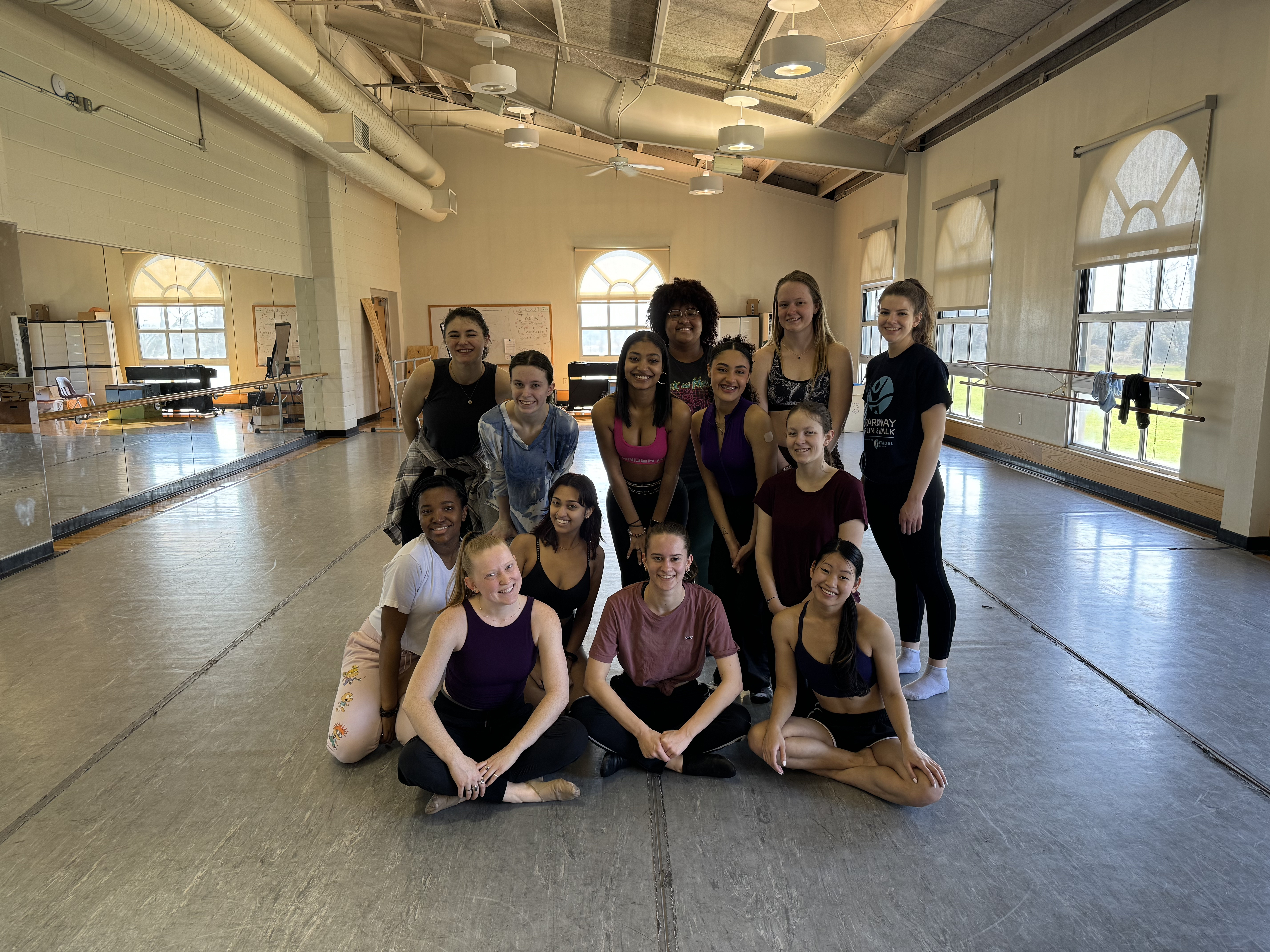

Intermediate (Dance 234) course in ballet technique. Introduction to and development of the fundamentals of ballet technique and vocabulary, emphasizing alignment, stretching and strengthening, flexibility, kinesthetic awareness, line and movement phrases. This course includes critical analysis and reflection on the context and history of ballet. Public performance included as part of the course.





Environmental Sciences 105 introduces a scientific approach to sustainability and explores how today’s and past human societies have faced an ever changing environment, ecosystem conversions and resource depletions. The course focuses on key areas of sustainability theory and practice, including population, ecosystems, global change, energy, agriculture, water, environmental economics and policy, ethics, and cultural history, and draws on understanding ecology and earth sciences.
ES105Lab is a one-credit-hour lab course to accompany Earth Science 105 lectures. Environmental
Sciences 105 introduces a scientific approach to sustainability and explores
how today’s and past human societies have faced an ever changing environment,
ecosystem conversions and resource depletions. The course focuses on key areas
of sustainability theory and practice, including population, ecosystems, global
change, energy, agriculture, water, environmental economics and policy, ethics,
and cultural history, and draws on understanding ecology and earth sciences.


Ed 219 is a continuation of Ed 218 that focusses on teaching reading and writing.
.
Survey of American literature from the colonial period to the Civil War.
Overview English literature from end of the civil war (1660) to end of Victoria’s reign (1901). Four time periods: Restoration (1660-1700); Eighteenth-Century essays and biography; Romantic poetry (1798-1830); Victorian fiction and prose (1830-1901)
English 360 explores selected literature of the Victorian era (1830-1901) against the background of social, demographic, and religious change. The course requires a lot of reading, reflection, writing, and discussion. Students are evaluated primarily on participation throughout the term, especially in the areas of keeping up with the readings, offering critical responses in class, writing in various modes, and creatively pursuing research interests outside of class.
Study of four novels: Frankenstein, The Strange Case of Dr. Jekyll and Mr. Hyde, Year of Wonders, and The Alchemist. Analysis of the ways literature both reflects and critiques the social values and customs of its time. The concept of ‘lens’ implies that we are limited by particular perspectives but also that literature can focus and strengthen our vision. Emphasis on reading, discussion, research, and writing. Interpretation through multiple critical lenses.



FYS 101 is a seminar class which will serve as a guide to becoming a successful college student. You will learn about constructive and positive habits, perspectives and mindsets that correspond with effective learning strategies. This course provides incoming students an opportunity to explore their personal and career goals, learn pertinent academic skills, enhance their oral and written communication, and learn to navigate the Bryn Athyn College campus.


German 102 is the second term of introductory German that develops the four language skills (speaking, listening, reading, writing) in a cultural context with a focus on spoken German.
An independent Study in reading the TaNaKh in its original Hebrew

For a period of about 300 years, c. 750- 1050 CE, Vikings came instilled dread in their victims and held sway over far-flung territories under the auspices of Thor's hammer and Odin's spear. Who were the Vikings and why do they capture our imagination? This course explores this question and examines the impact of Viking expansion in Europe as raiders, traders, conquerors, and settlers.
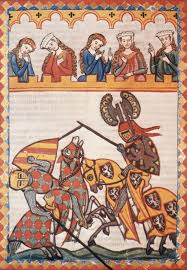
History 115: The Medieval World examines the foundation and development of society in Western Europe from AD 500 to AD 1500.

Consideration of the vital roles women performed in Old Norse society, i.e. medieval Scandinavia during the Middle Ages, for instance, as deities, divine beings (valkyries, dísir), rulers, warriors/shield-maidens, wives, mothers, and estate managers. Emphasis on the Viking Age (c. 750-1050 CE). Based on historical, mythological, religious, literary, legal, and archaeological sources.
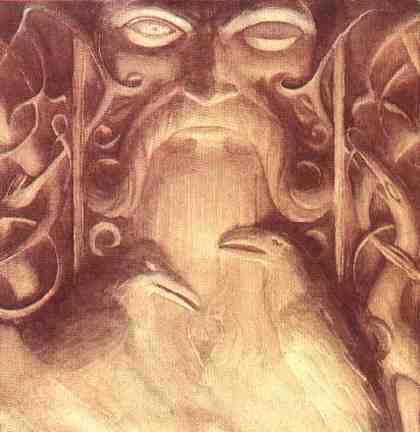
History 213 examines religiosity in medieval Northern Europe from Norse paganism to the conversion to Christianity (c. 800 - 1300 CE) as understood in three periods: Pre-Christian, Conversion, and Christian. Consideration of multiple aspects pertaining to shifts in worldviews, values, and religious beliefs such as mythology, religious rites and practices, magic and witchcraft, law and ethics, custom and tradition. Students analyze and interpret assigned primary sources - selections from Old Norse sagas and Eddas, histories, chronicles, saints' lives, etc. -- with recourse as well to the archaeological record. Due attention is given to the impact of Christianization on society at all levels, for the elite as well as for those they ruled. 3 credits.
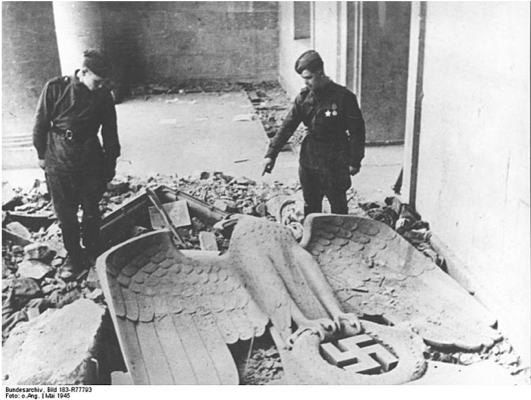
This course examines the rise and fall of Nazi Germany under Adolf Hitler, beginning with the devastation of World War I through the battles of World War II and finally to Germany’s defeat by Allied forces in 1945. Over the term, we will consider the historical, social, economic, and political factors that contributed to the Nazi party’s rise and downfall. Particular focus is on Nazism's impact on German society, individual vs. group responsibility, and to underpinning ideologies such as fascism, anti-Semitism, social Darwinism and eugenics.
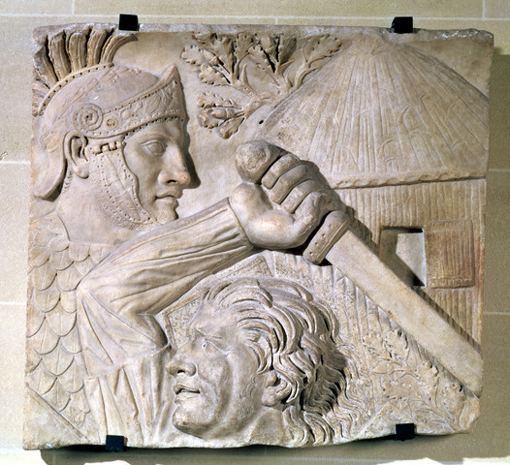
An examination of the era that led to the misleading phrase “the fall of Rome,” this course explores Rome’s interaction with so-called barbarians such as the Visigoths, Ostrogoths, Vandals, Burgundians, Langobards, Franks, and Huns and assesses Rome’s evolving strategy in dealing with them, from initial attempts to conquer to forming client relationships with them. The course also considers the replacement of the western Roman empire by various successor states, the barbarian kingdoms, which eventually coalesced into early medieval Europe.
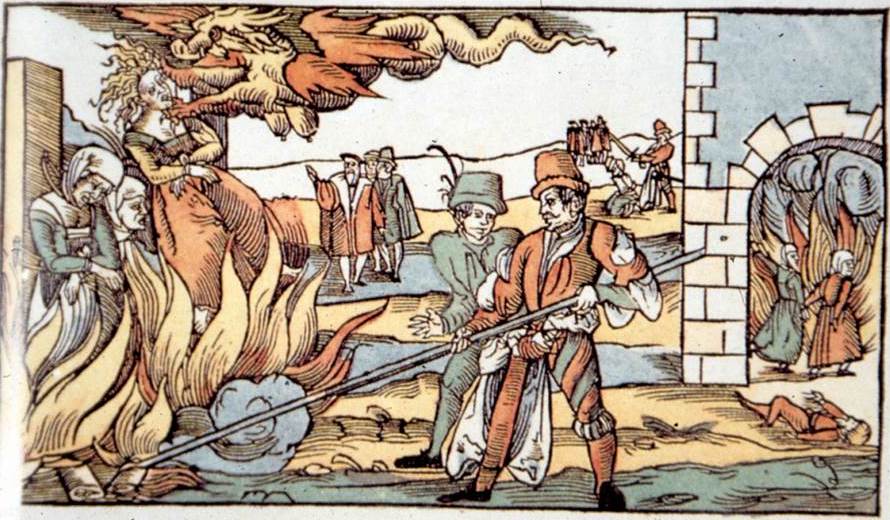
This course examines the witch-hunting phenomenon – that is, the prosecution and execution of persons accused of witchcraft – which occurred in Europe and by extension its colonies (e.g. New England) during the period 1450-1750 resulting in thousands of deaths. Includes a consideration of the witch-hunt’s intellectual underpinnings; its religious, social, political, and legal dimensions as well as its after-life in contemporary culture.
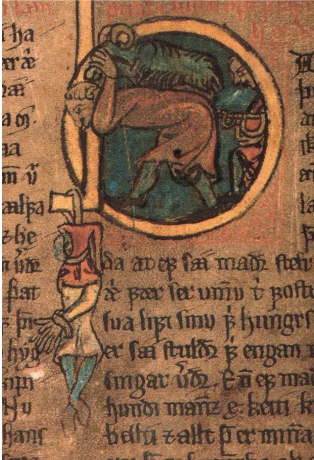
This course explores intersecting notions of justice and vengeance in medieval European law. Of special interest is the tension between customary forms of justice seeking, largely retributive in nature, and the development of jurisprudence, that is a 'philosophy of law' based on Christianity and Christian rulership. 3 credits.
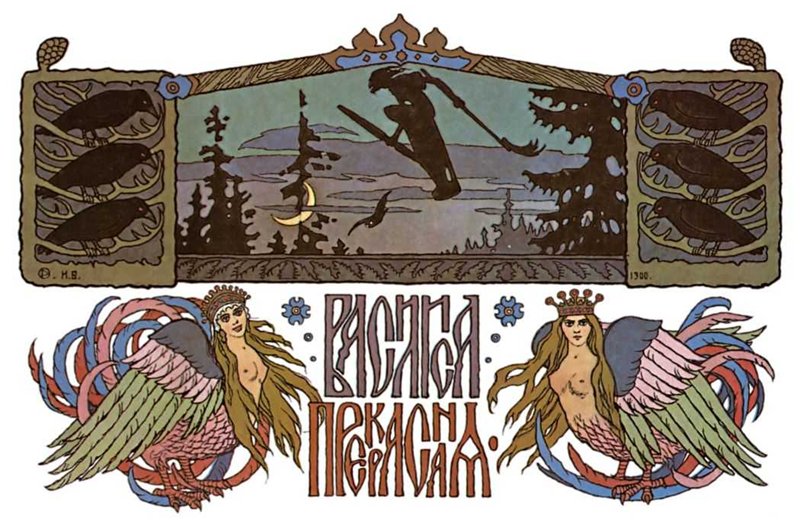
This course is an investigation of European folk and fairy tales and their relevance for understanding the societies that produced them. The course provides a survey of major collections and introduces students to critical approaches to folk literature. Consideration of Hollywood adaptations and the continuing impact of folk and fairy tales on modern popular culture.


Human Society 402 is the capstone experience for the Human Society majors. In it, you will conduct a major research and writing project that showcases the skills you have been developing in the program. The seminar environment is designed to provide a forum for an examination of the different facets of undertaking such a project and offers a community for support and the exchange of ideas.
All Business and Interdisciplinary majors that are seniors need to be enrolled in ID/Bus 494. This is a seminar designed to help students write on a research topic from a Swedenborgian spiritual perspective. This one credit course meets once per week.
Continuation of Latin 250. Includes examination of original manuscripts and editions. Prerequisites: Latin 110 and Latin 111 or approval of the instructor.
Welcome to Lead 130 winter term 23-24
“A leader is one who knows the way, goes the way, and shows the way”
This course offers links to supplemental material for teaching online. In this course librarians are curating e-books, databases, and cultural websites offering a wealth of resources for distance learning that are free to use with no log in or registration.
Tests for review, Fall 2015-16
This course is an introduction to critical thinking. The topics covered include basic logical concepts; logical fallacies; recognizing, analyzing, and evaluating arguments; inductive reasoning; and thinking critically about the media.
This course is an introduction to critical thinking. The topics covered include basic logical concepts; logical fallacies; recognizing, analyzing, and evaluating arguments; inductive reasoning; and thinking critically about the media.
This course is an introduction to critical thinking. The topics covered include basic logical concepts; logical fallacies; recognizing, analyzing, and evaluating deductive and inductive arguments; refuting arguments or claims; and analyzing enthymemes.
This is an introduction to philosophy course. It fulfills the core requirement for a worldviews course.
This is an introduction to philosophy course. It fulfills the core requirement for a worldviews course.
This is an introduction to philosophy course. It fulfills the core requirement for a worldviews course.
Welcome to Philosophy 310: Contemporary Philosophy I. This course examines a particular field within late 20th to early 21st century philosophy. This year the field is philosophy of technology.
This is a capstone course designed for Interdisciplinary majors and philosophy minors. The course aims to help students become familiar with debates in late 20th-early 21st century philosophy and Western culture.
This is a course in political thought. It is a survey of major political ideologies, including liberalism, conservatism, anarchism, socialism, feminism, ecologism, and fascism. This course fulfills the core requirement in the civil perspective.




With the advance of amazing research technology, research about the human brain and how it functions and develops has exploded over the past two decades. Scientists are now able to peer into the human mind and confirm or disconfirm many of the theories developed by psychology over the past hundred years, as well as explain brain functions that have been invisible and unknown. However, the recent explosion of information can often come across to the lay person or the undergraduate student as daunting: the brain is so intricate and complicated, and its terminology so esoteric, that one is often overwhelmed, confused, and unable to synthesize the plethora of seemingly disparate information into a coherent, usable understanding. Therefore, this course focuses on helping students become familiar with and learn the names of the main structures and systems of the brain, the main functions of these structures, and some of the most common brain disorders, We will be using one textbook, journals, online search engines and media to address these goals. In this class it is expected that the student will
not only become familiar with the names of specific brain structures and functions, but also memorize most of the terminology, which will be assessed through a mid-term and final exam. In addition, since this course meets the Information Literacy requirements for Bryn Athyn College’s Core Curriculum, students will also be expected to formulate and express their own opinion regarding the philosophical merits or disadvantages of scientific research aimed at better understanding the brain. Another requirement of the course will challenge students to hone their ability to find, evaluate, and synthesize current research on the brain in order to satisfy his/her own curiosity about a specific brain-based disorder.

This course will introduce you to the basic constructs of psychology including scientific methodology, the brain, sensation & perception, memory & learning, motivation & emotion, social psychology, human development and the nature and treatment of mental illness. Since this course is a survey of the entire field of psychology, breadth rather than depth is emphasized. This course has been designed to be highly relevant to your own life. By studying psychology, you are studying human nature, and essentially yourself. Through reading, writing, discussions and various hands-on activities, you will begin to appreciate the complexities of the field of psychology, as well as stimulate intellectual curiosity about human behavior, including your own.
Lifespan Human
Development examines biosocial, cognitive, and psychosocial development from
conception through death. This development involves both constancy and change
as well as the interaction of biological and environmental factors. The course
will examine extant theories and ongoing research pertaining to prenatal,
infant, child, adolescent, and adult development, as well as the topics of
aging, dying, and death.

Social psychology is a subfield of psychology focused on how people
interact, influence one another, and make
judgments about others. This course is designed to be an introduction to the
scientific study of social psychology.
You will survey major research areas in social psychology including
social cognition, social perception, conformity, aggression, altruism,
attraction and relationships, and group dynamics. You will critically evaluate
the results, conclusions, and methods of social psychological research. You will also practice applying what you
have learned about the discipline through an oral presentation and through
writing.
Positive Psych course fall 2024- welcome. Lets learn about how to be happy and useful :)
The main objective of this course is to provide you with a comprehensive overview of the field of psychological testing and assessment, with emphasis on the (a) basic psychometric concepts and principles underlying test development, (b) major uses of psychological tests and other tools of assessment in school, clinical, counseling, business, and other psychology-related settings, and (c) historical, cultural, and legal/ethical context of assessment. Additional topics covered in this course will include reliability and validity, legal and ethical issues in test construction and application, and selected controversial questions relating to assessment in areas such as personnel selection, standardized testing in schools, and group differences in test performance.
This is a psychology course and the focus is on a very positive aspect of human life: Altruism. This is the study of why people are kind to each other, individually, as a group, and globally. We analyze this wonderful part of human behavior by means of theories, research, examples of global non-profit agencies, Biblical and Swedenborgian concepts, and by analyzing current issues involving altruism. Students need to purchase 1 book, and engage in Service Work every week for 11 weeks.
Psy Sr Seminar- welcome
Basic Python Pop-Up course

A Comprehensive overview of the New Church doctrine and a comparison with the doctrine of other Christian denominations. Emphasis on core principles such as faith, charity, forgiveness, repentance, regeneration, the Word, the Lord, and the life after death. Presupposes a moderate familiarity with New Church teachings.

New Church teachings on the life after death studied in their own context and the context of the near-death experience and the history of eschatology. Text: Heaven and Hell.
Study of how the Lord created the spiritual and natural worlds, with emphasis on humans as the purpose of creation. Vital relationships between the Creator and His creation, with the special role played by humans. Focus on teaching about form, order, degrees, influx, and conjunction. Text: Divine Love and Wisdom. 3 Credits.
Detailed study of the four individual Gospels with attention to similarities and distinctions, historical context, and relationship to the Old Testament. Examination of the literal meaning and its significance to the modern life. Special attention to the nature of the First Advent and the testimony concerning Jesus Christ.
The Bible is more than a book of stories and laws. Exploration of the deeper symbolic meanings reveal that it is a story about individual spiritual development and growth. Addressing both Scriptures and personal application, with emphasis on the use of Swedenborg’s science of correspondences, students uncover the hidden depths of a variety
Course Description
This course offers you the opportunity to explore the findings of some of the world’s leading marriage educators, with a focus on romantic relationships. Unlike its companion course, Religion and Marriage (REL 273), which focuses primarily on doctrine, this is an application course which focuses primarily on marriage education programs and their application to our current relationship situations.
As you will discover, the relationship skills that you will be learning in this course are applicable to every aspect of your life. This includes your relationships with family, friends, co-workers, teachers, fellow students, and (if applicable) with the person you are married to, engaged to, or currently dating.
This is the capstone experience for the religion major.

¡Bienvenido(a) a Español 101! Spanish 101 (3 credit hours) is an introductory course for students with little or no previous experience with Spanish. Emphasis is placed on communication and the foundations of Spanish grammar. In Spanish 101, students will begin to develop speaking (communicate in everyday situations), listening, reading, and writing skills (short paragraphs in the present tense) as well as gain exposure to Spanish-speaking cultures.
¡Bienvenido(a) Español 101 is an introductory course for students with little or no previous
experience with Spanish. In Spanish 101, you will begin to develop your speaking, listening,
reading, and writing skills as well as start to explore the richness and diversity of
Spanish-speaking cultures. The material includes vocabulary, grammar, and sentence structure
that are directly related to the students’ daily lives. At the beginning the course is conducted
75% in Spanish and 25% in English, progressing to 100% Spanish by the end of the second week
(or earlier) so students become accustomed to hearing and decoding the target language.
Assistive
technology in the classroom is a lecture based course that meets weekly. The
course is designed to expose students to a variety of low-tech and high- tech
supportive devices and web-based applications. Introduction to various devices and
applications will allow students to gain hands on experience. Through the
creation of a website portfolio students will develop the foundation necessary
to build a reference resource. This
resource will act as an essential support in addressing the challenges of
individuals with varying disabilities within the general education curriculum





WRITING 212 -- CREATING ONLINE CONTENT and DEVELOPING PERSONAL PLATFORM
Where Personal Narrative and Digital Media Intersect
As the demand for quality internet content and strong personal digital platform grows, this course teaches how to excel in this fast-paced communications field. Students will spend the first two weeks performing market research and establishing individual niche. They will identify and study the masters of style and content in their target market area and the general blogosphere. The majority of the term will be spent creating and maintaining a multimedia site, establishing consistent creative nonfiction voice, and populating platform with high quality digital, visual and written content.
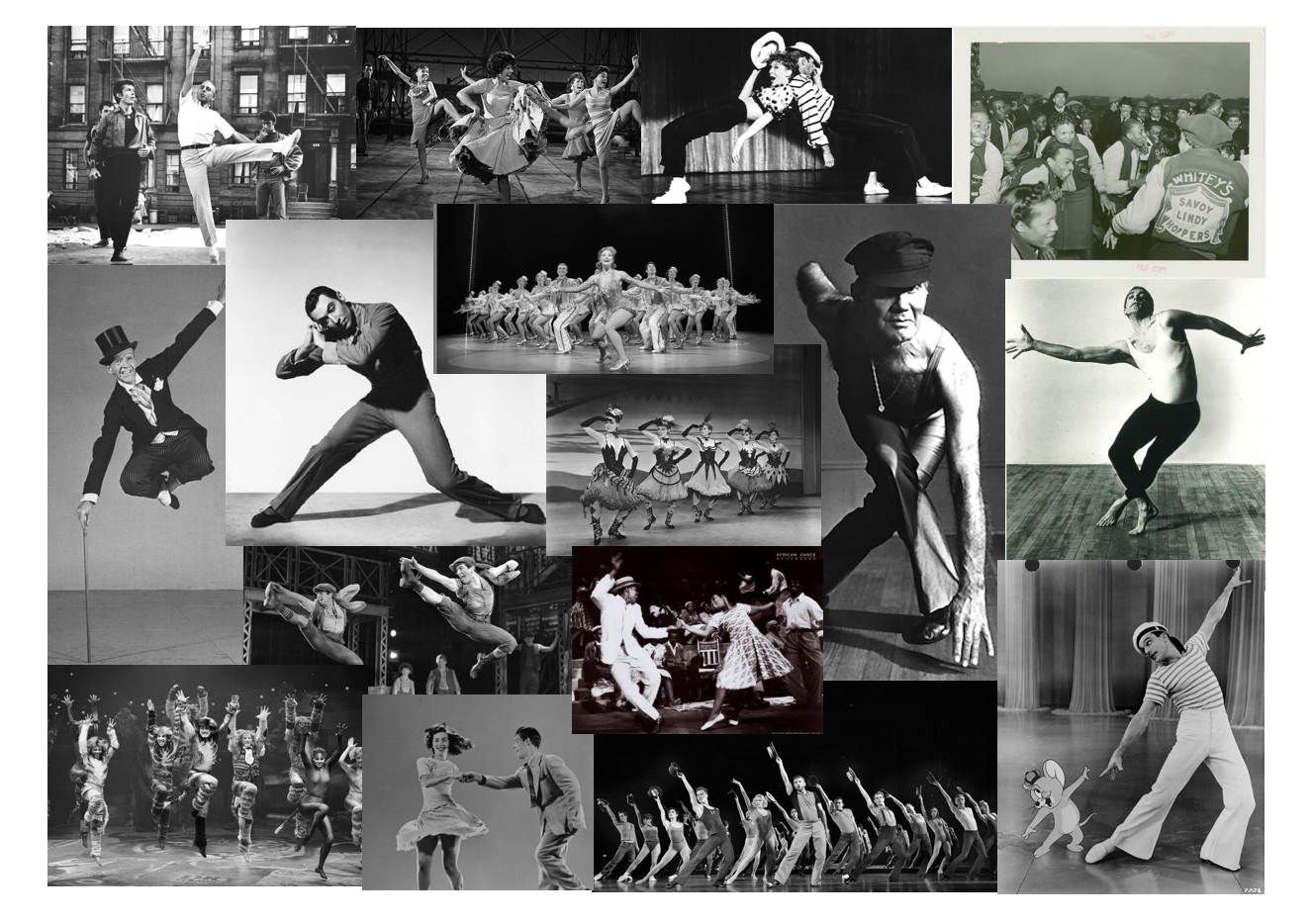
 Earth Science 110 on the moodle