- Instructor: Wendy Closterman
- Instructor: Coleman Glenn
Category: Greek
An independent Study in reading the TaNaKh in its original Hebrew
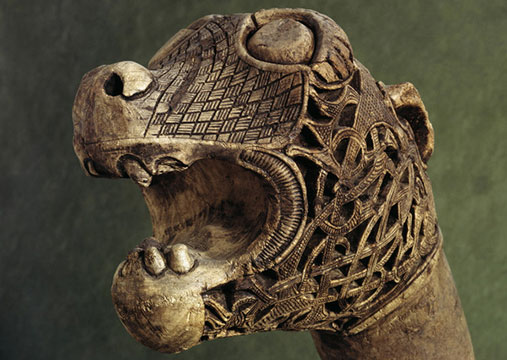
For a period of about 300 years, c. 750- 1050 CE, Vikings came instilled dread in their victims and held sway over far-flung territories under the auspices of Thor's hammer and Odin's spear. Who were the Vikings and why do they capture our imagination? This course explores this question and examines the impact of Viking expansion in Europe as raiders, traders, conquerors, and settlers.
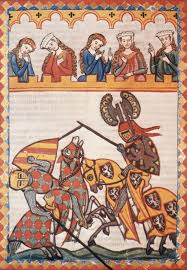
History 115: The Medieval World examines the foundation and development of society in Western Europe from AD 500 to AD 1500.
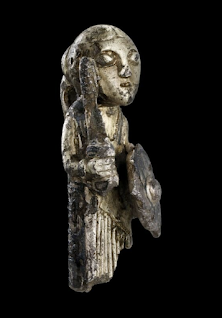
Consideration of the vital roles women performed in Old Norse society, i.e. medieval Scandinavia during the Middle Ages, for instance, as deities, divine beings (valkyries, dísir), rulers, warriors/shield-maidens, wives, mothers, and estate managers. Emphasis on the Viking Age (c. 750-1050 CE). Based on historical, mythological, religious, literary, legal, and archaeological sources.
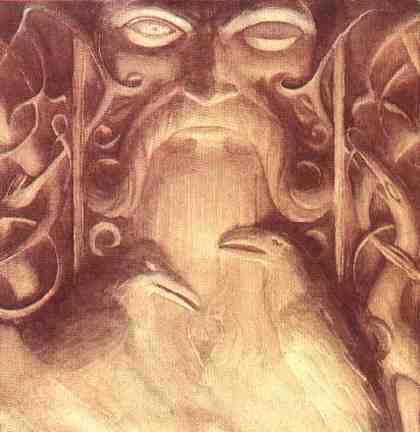
History 213 examines religiosity in medieval Northern Europe from Norse paganism to the conversion to Christianity (c. 800 - 1300 CE) as understood in three periods: Pre-Christian, Conversion, and Christian. Consideration of multiple aspects pertaining to shifts in worldviews, values, and religious beliefs such as mythology, religious rites and practices, magic and witchcraft, law and ethics, custom and tradition. Students analyze and interpret assigned primary sources - selections from Old Norse sagas and Eddas, histories, chronicles, saints' lives, etc. -- with recourse as well to the archaeological record. Due attention is given to the impact of Christianization on society at all levels, for the elite as well as for those they ruled. 3 credits.
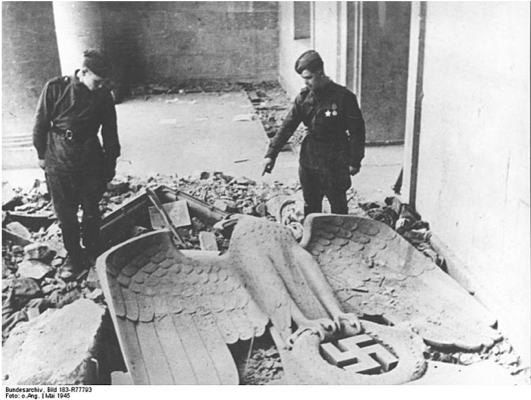
This course examines the rise and fall of Nazi Germany under Adolf Hitler, beginning with the devastation of World War I through the battles of World War II and finally to Germany’s defeat by Allied forces in 1945. Over the term, we will consider the historical, social, economic, and political factors that contributed to the Nazi party’s rise and downfall. Particular focus is on Nazism's impact on German society, individual vs. group responsibility, and to underpinning ideologies such as fascism, anti-Semitism, social Darwinism and eugenics.
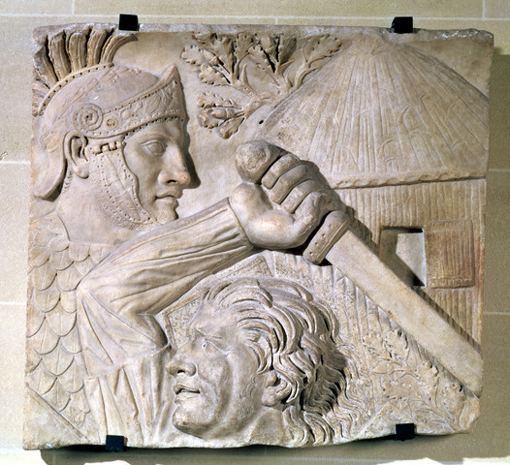
An examination of the era that led to the misleading phrase “the fall of Rome,” this course explores Rome’s interaction with so-called barbarians such as the Visigoths, Ostrogoths, Vandals, Burgundians, Langobards, Franks, and Huns and assesses Rome’s evolving strategy in dealing with them, from initial attempts to conquer to forming client relationships with them. The course also considers the replacement of the western Roman empire by various successor states, the barbarian kingdoms, which eventually coalesced into early medieval Europe.
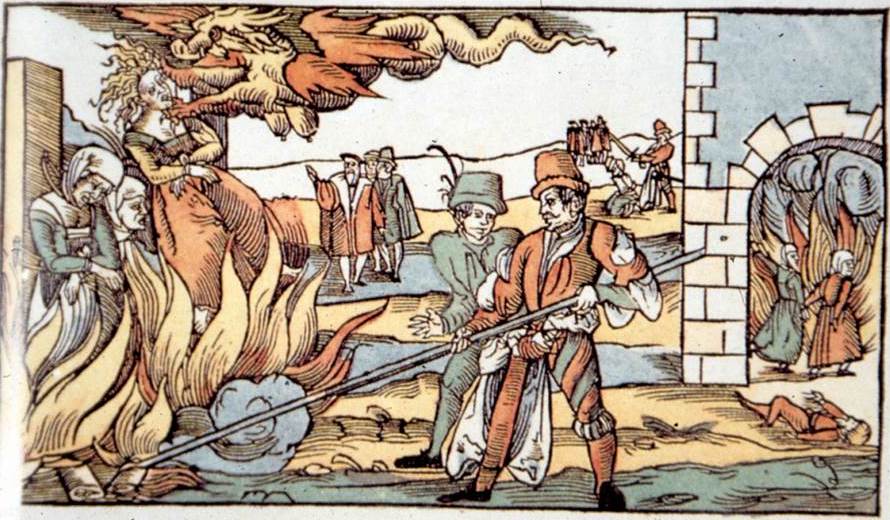
This course examines the witch-hunting phenomenon – that is, the prosecution and execution of persons accused of witchcraft – which occurred in Europe and by extension its colonies (e.g. New England) during the period 1450-1750 resulting in thousands of deaths. Includes a consideration of the witch-hunt’s intellectual underpinnings; its religious, social, political, and legal dimensions as well as its after-life in contemporary culture.
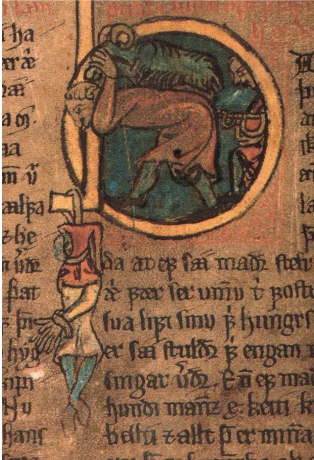
This course explores intersecting notions of justice and vengeance in medieval European law. Of special interest is the tension between customary forms of justice seeking, largely retributive in nature, and the development of jurisprudence, that is a 'philosophy of law' based on Christianity and Christian rulership. 3 credits.
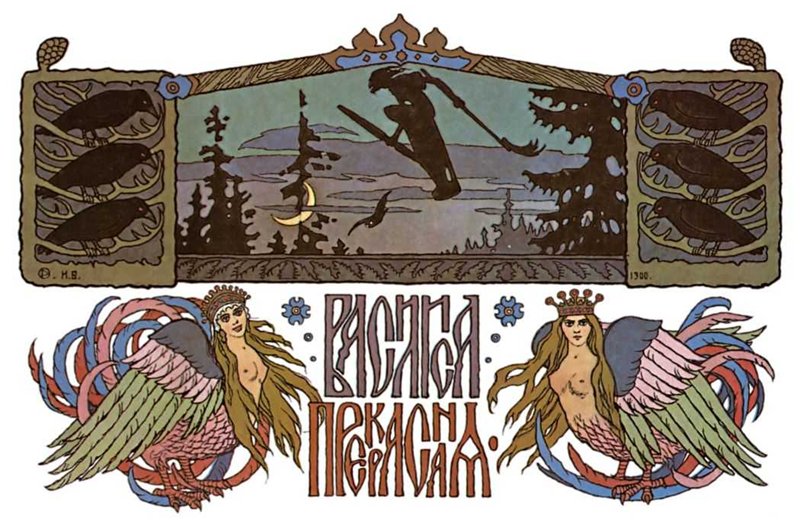
This course is an investigation of European folk and fairy tales and their relevance for understanding the societies that produced them. The course provides a survey of major collections and introduces students to critical approaches to folk literature. Consideration of Hollywood adaptations and the continuing impact of folk and fairy tales on modern popular culture.

Human Society 402 is the capstone experience for the Human Society majors. In it, you will conduct a major research and writing project that showcases the skills you have been developing in the program. The seminar environment is designed to provide a forum for an examination of the different facets of undertaking such a project and offers a community for support and the exchange of ideas.